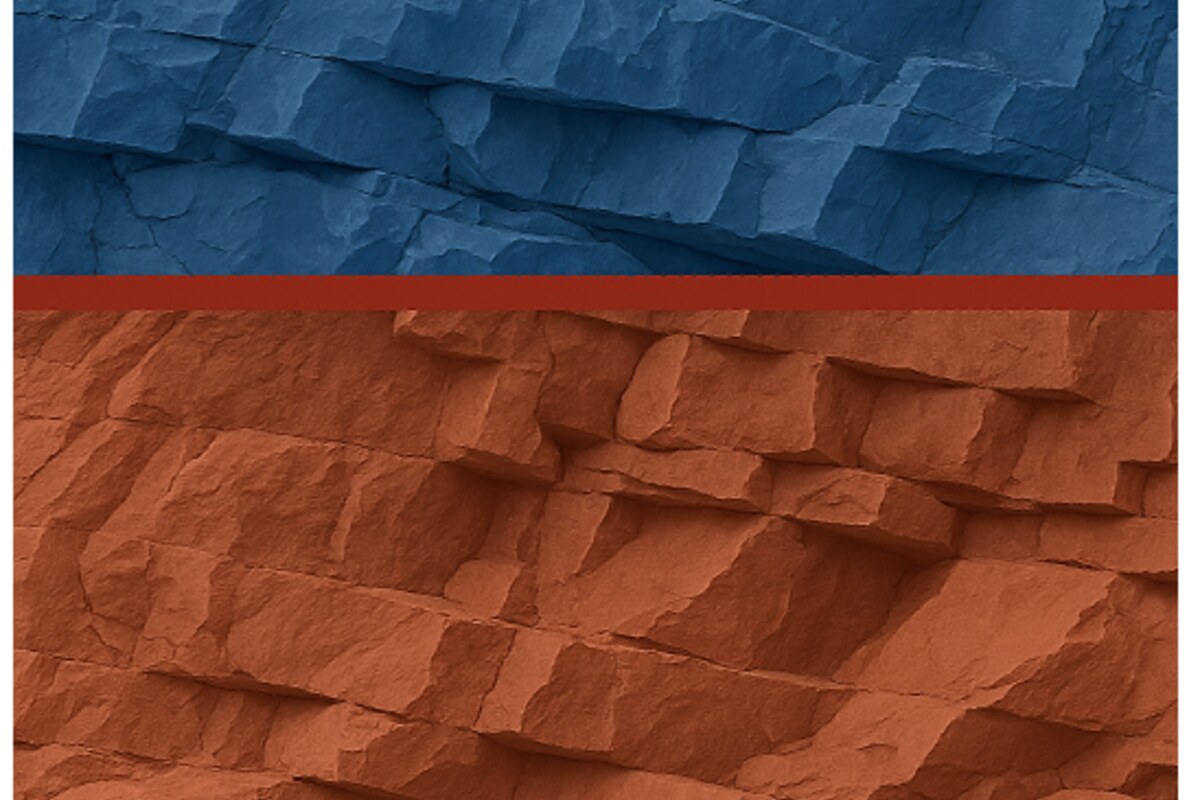
Assistant Professor, University of Idaho
Advancing engineering science through experimental geomechanics, digital modeling, and artificial intelligence.
Dr. Feng’s research integrates laboratory testing, physics-based modeling, data analytics, and field-oriented imaging to understand geomaterial behavior and improve civil, mining, transportation, and subsurface infrastructure systems.

Education
-
2017
Ph.D., Engineering Science
Southern Illinois University at Carbondale
-
2013
Ph.D., Mining Engineering
China University of Mining and Technology
-
2008
B.E., Mining Engineering
China University of Mining & Technology
Academic Appointments
-
Present
Assistant Professor
University of Idaho
-
2025
Research Associate
University of Arkansas at Fayetteville
-
2019
Postdoctoral Fellow
University of Calgary
Research Interests
Experimental, computational, and educational research for resilient infrastructure.
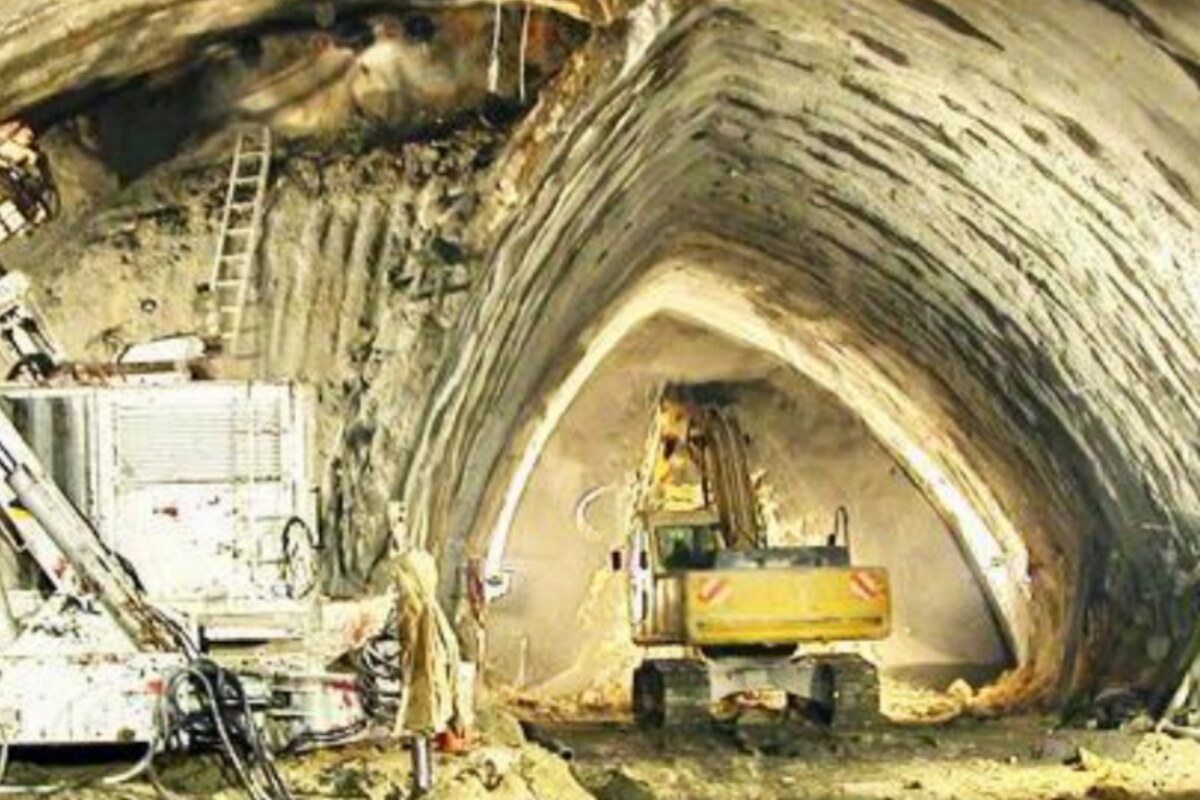
Tunnelling and Excavation

Artificial Intelligence
Remote Sensing
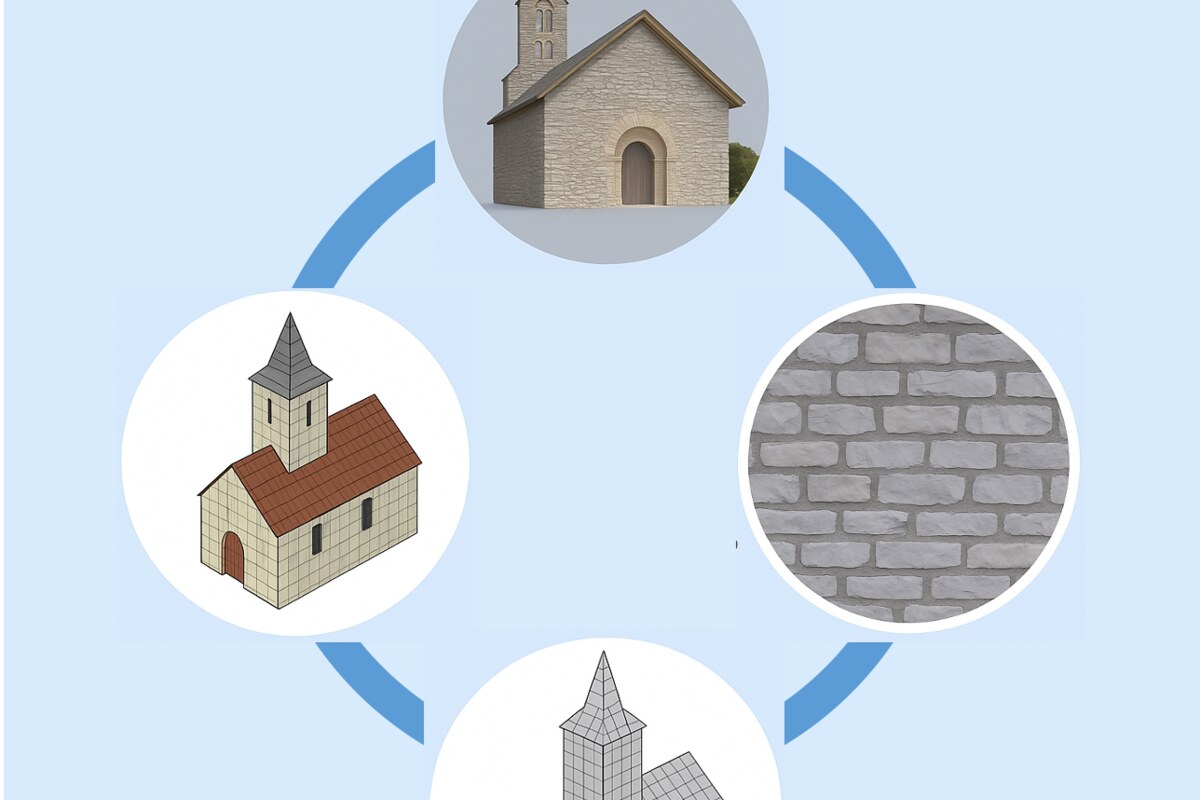
Digital Modeling
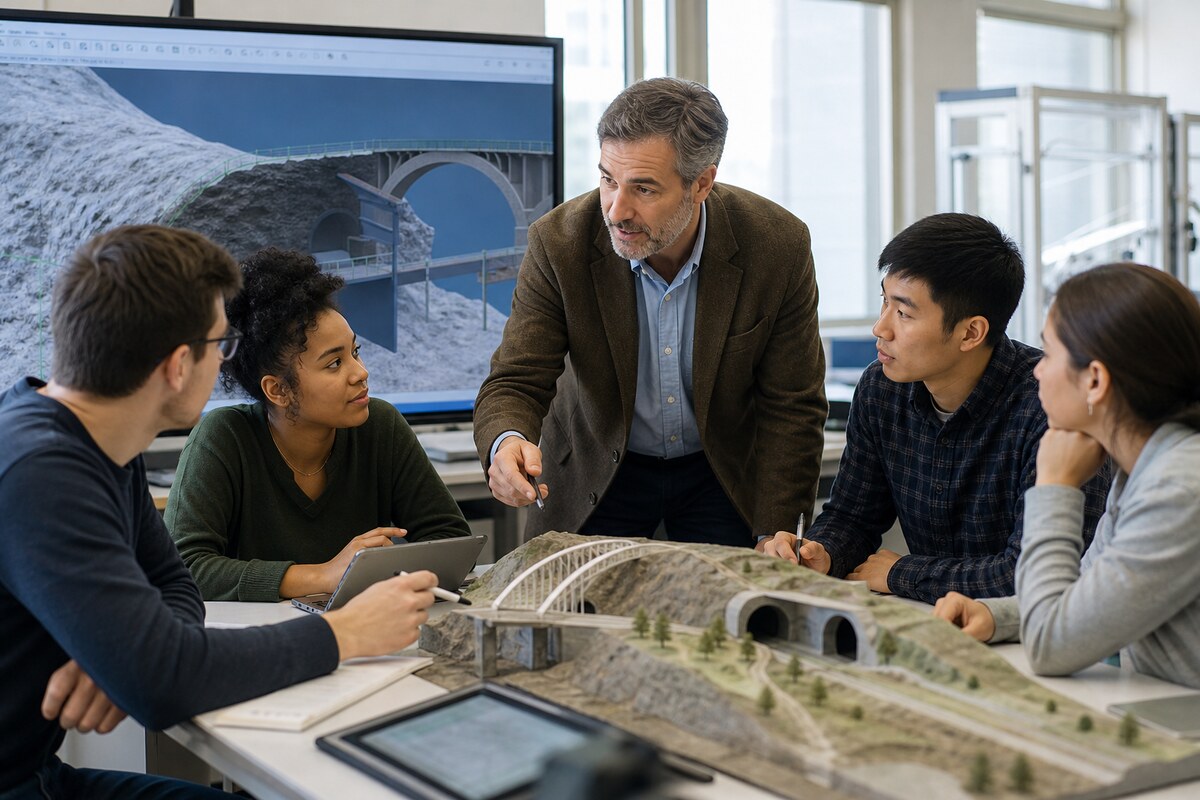
Engineering Education
Lab Capability
Integrated sample preparation, mechanical testing, environmental conditioning, and flow measurement for geomaterials.
The laboratory supports end-to-end experimental geomechanics workflows: preparing rock and geomaterial specimens, conditioning them under controlled thermal and humidity environments, measuring strength and deformation under uniaxial and triaxial loading, and quantifying permeability or fluid-flow response with precision pressure-volume control. These capabilities connect directly to rock mechanics, tunnelling, subsurface energy, transportation materials, and digital model validation.
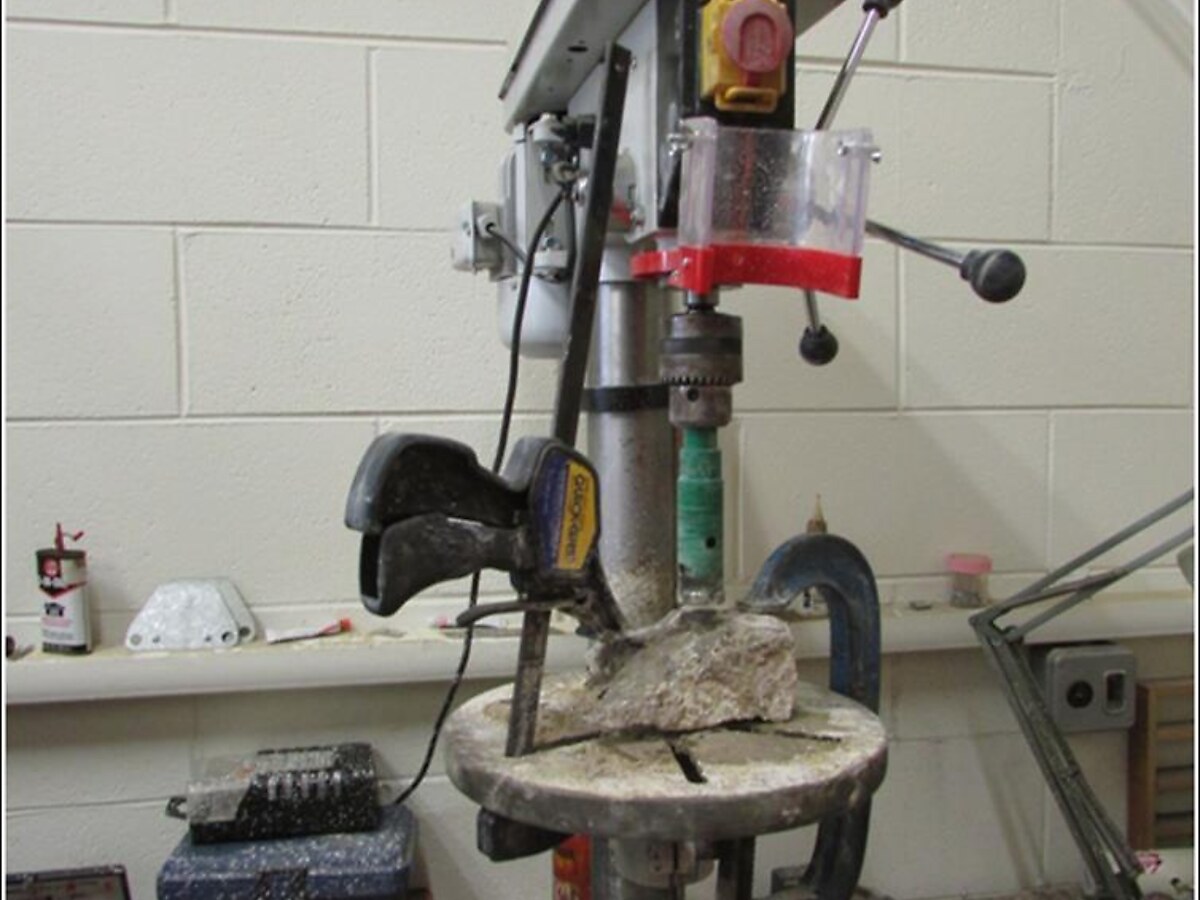
Rock Coring
Core specimen extraction for repeatable laboratory-scale testing.
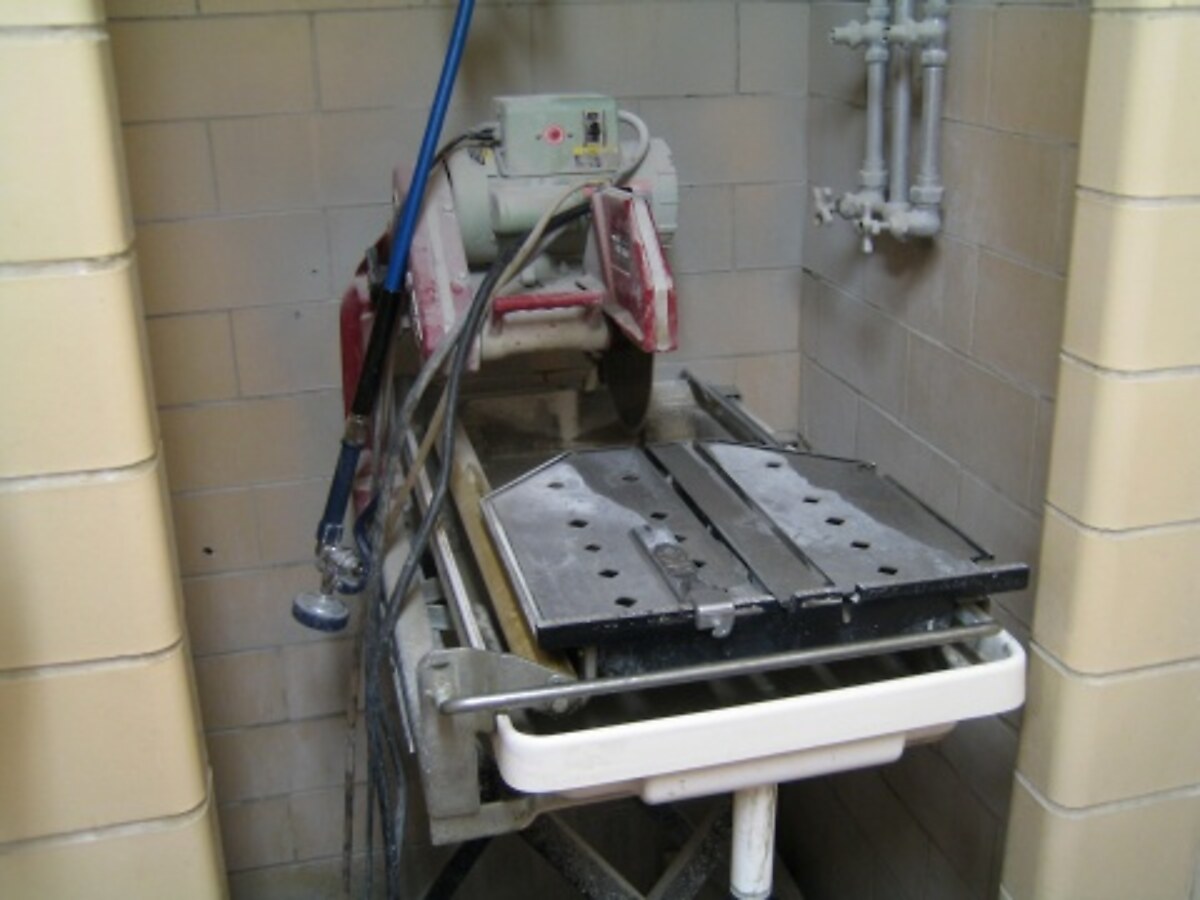
Rock Cutting
Controlled cutting and trimming for target dimensions and test geometry.
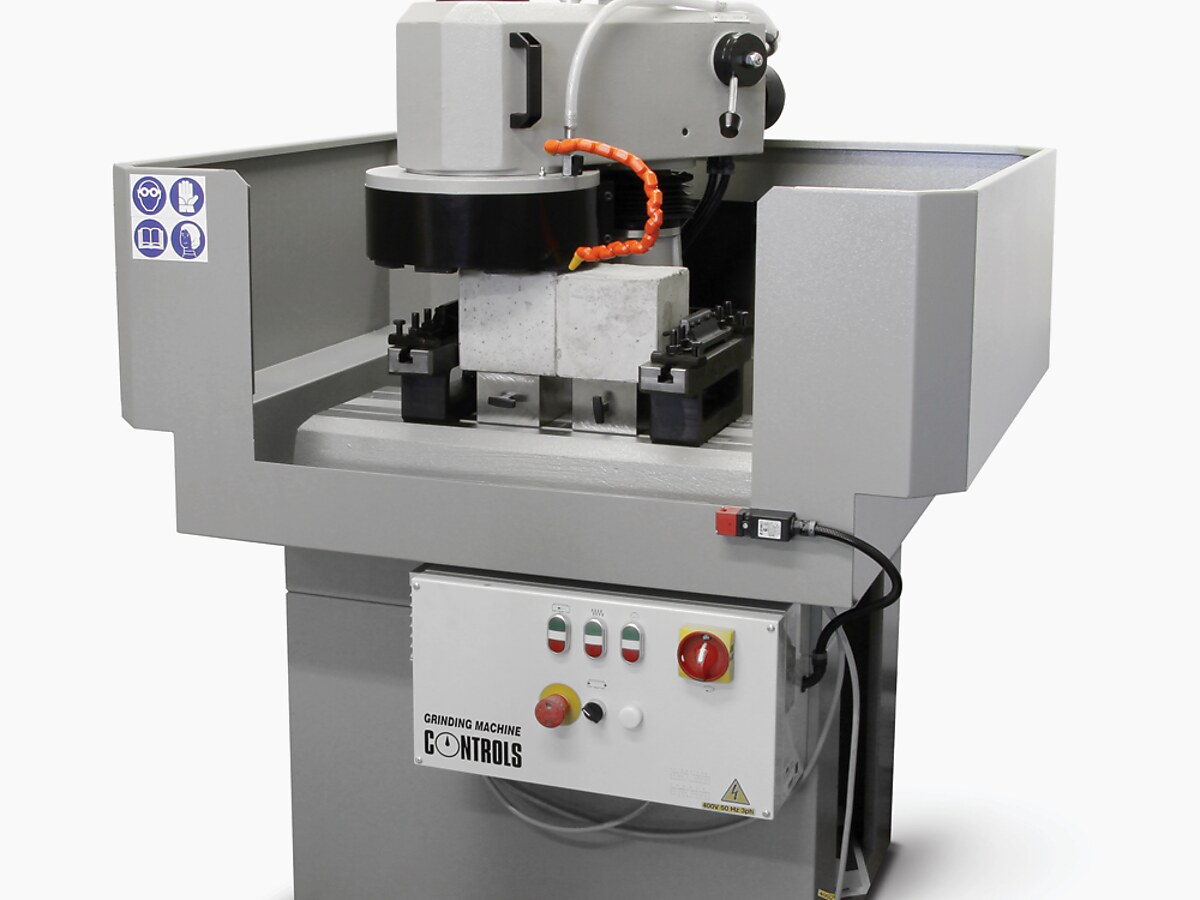
Rock Grinding
Surface finishing for high-quality ends and reliable boundary conditions.
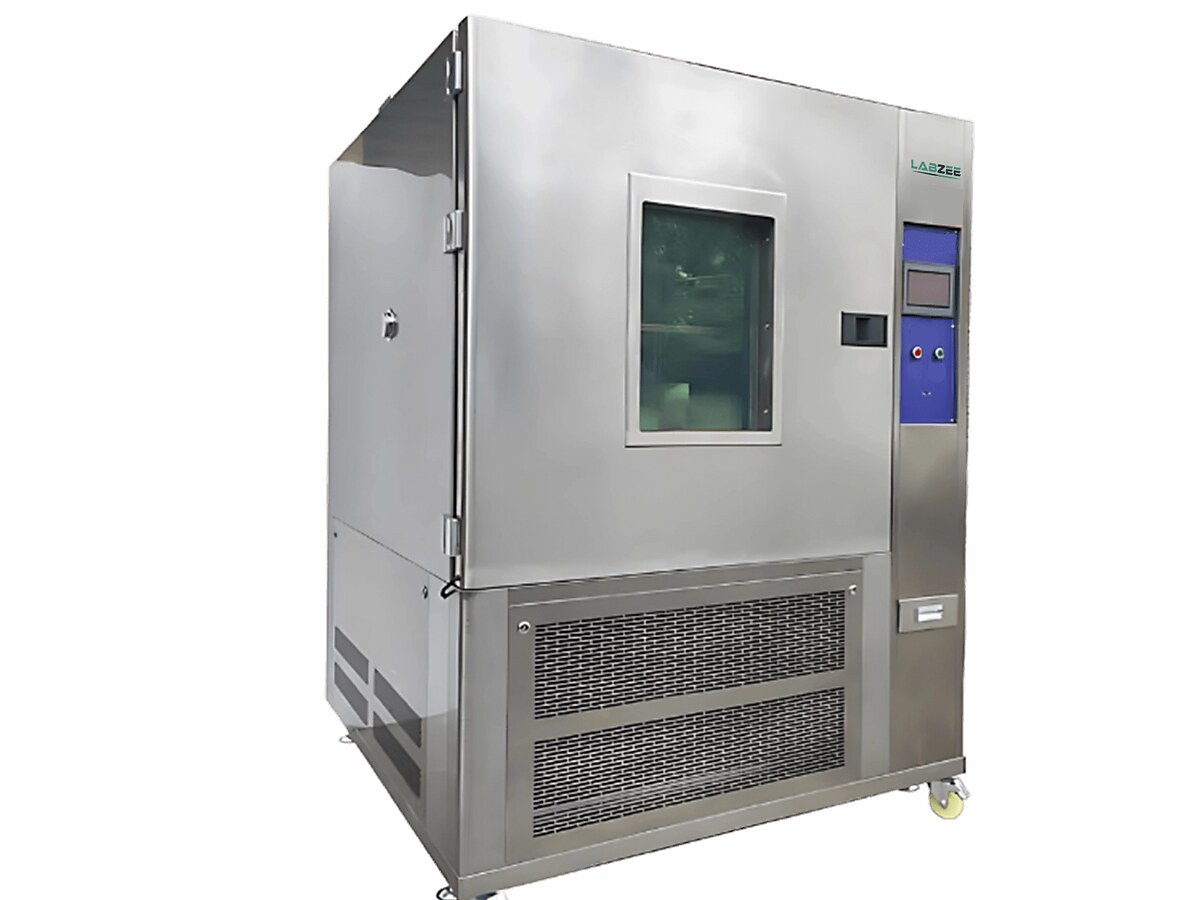
Environmental Chamber
Temperature and humidity conditioning for coupled environmental effects.
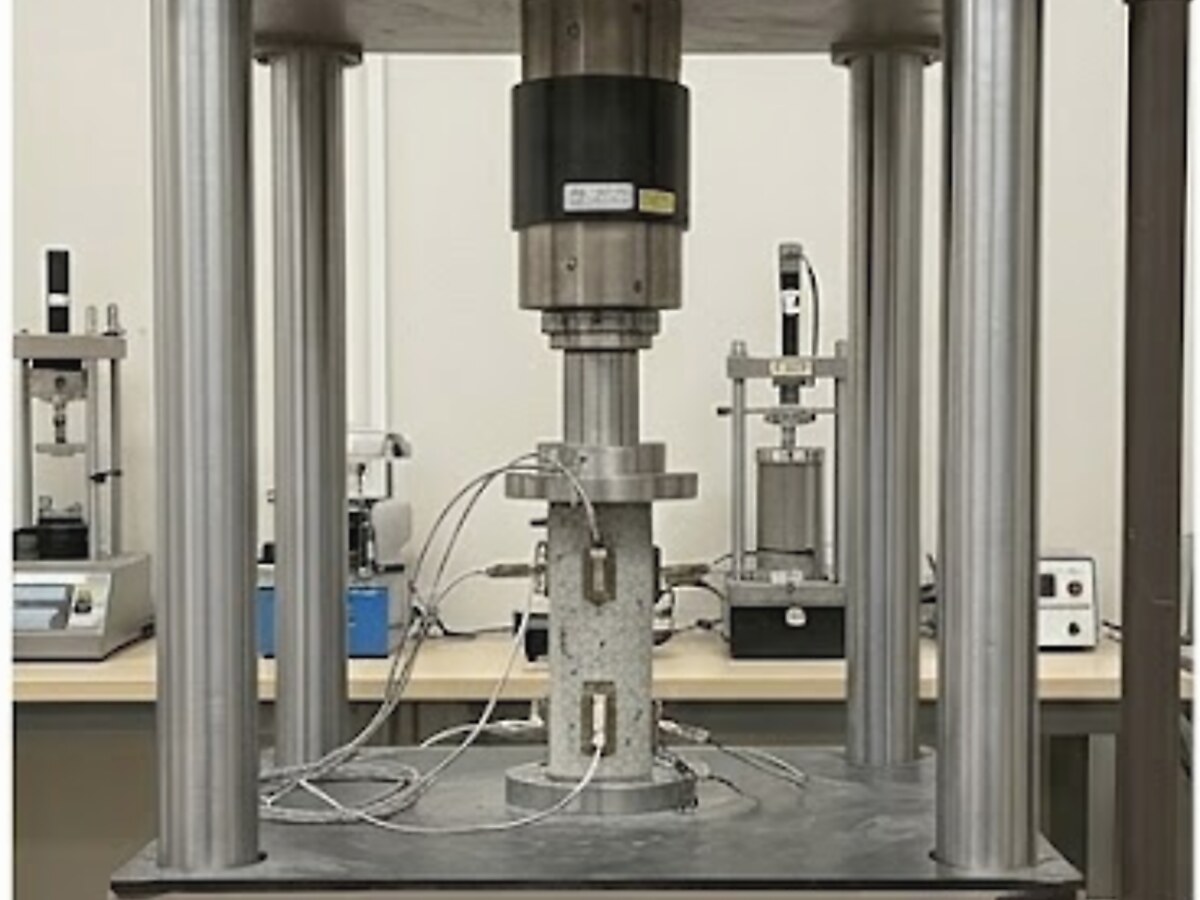
Uniaxial Compression
Strength and deformation testing for intact rock and engineered geomaterials.
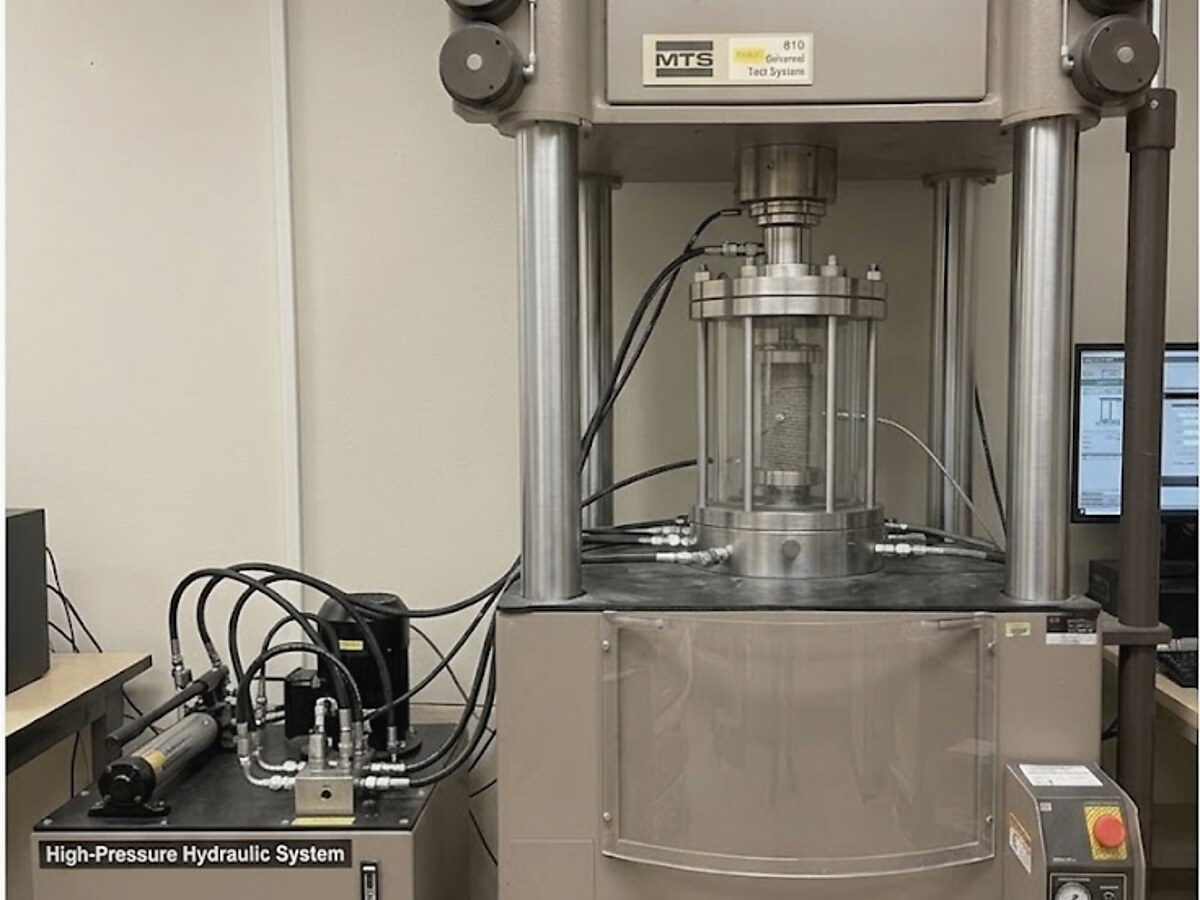
Triaxial Testing
Confinement-controlled mechanical testing under realistic stress states.
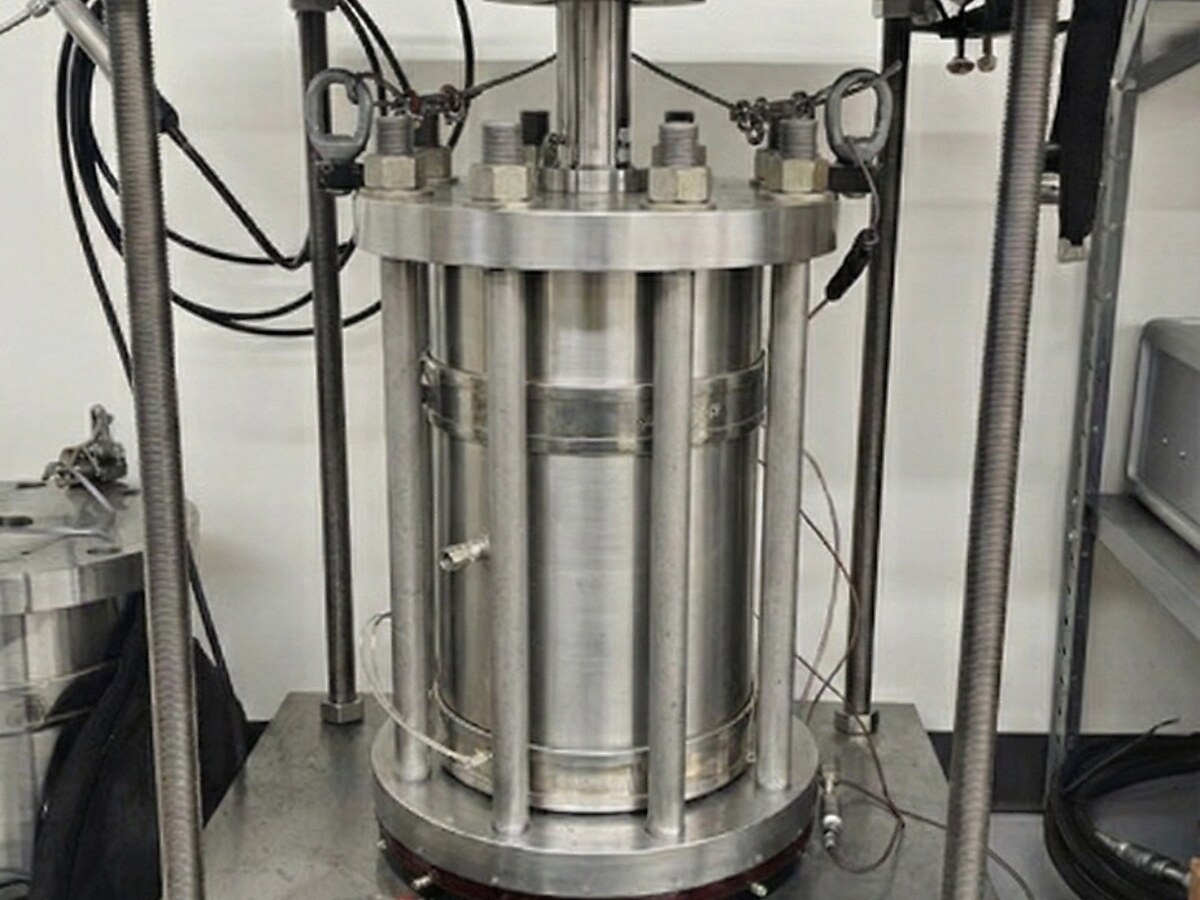
Permeability Measurement
Fluid-flow characterization for porous and fractured geomaterials.
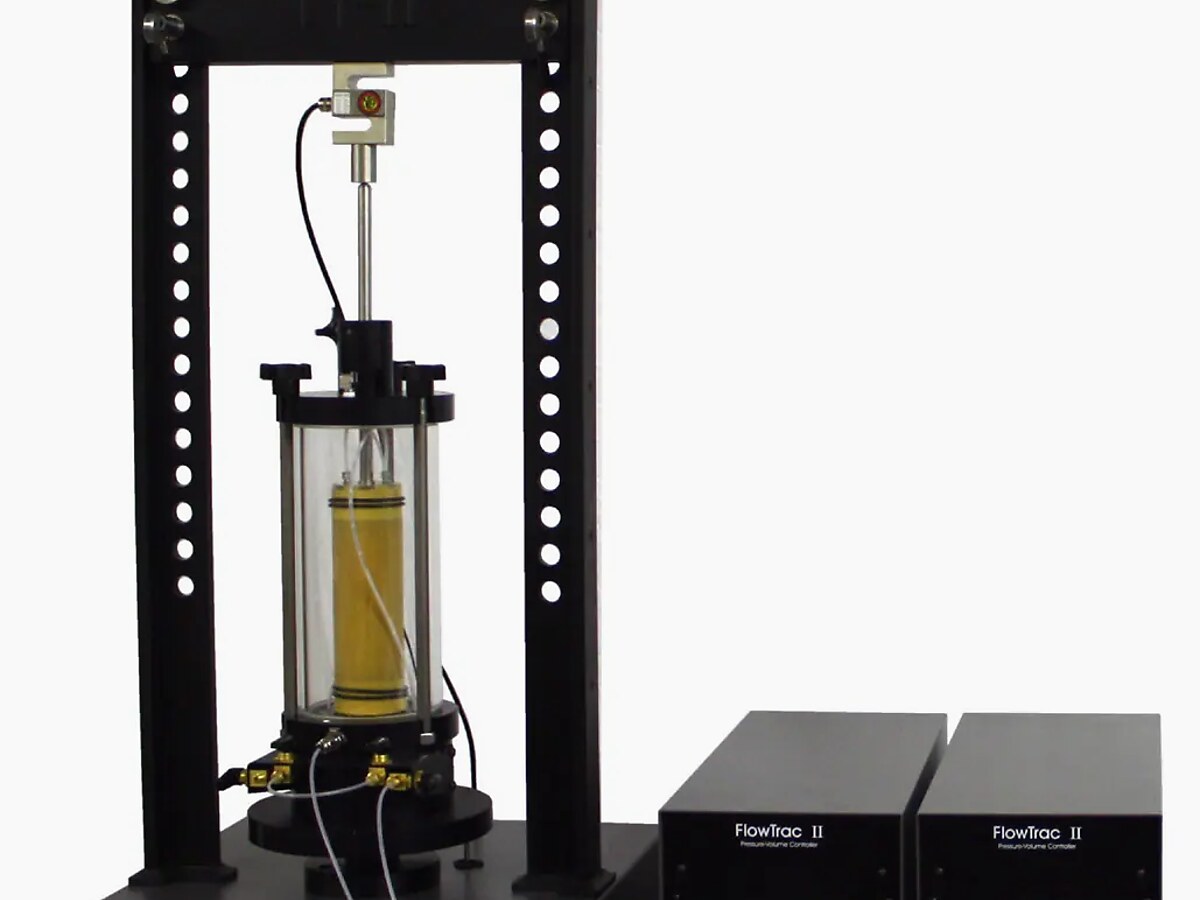
FlowTrac II
High-precision pressure and volume control for flow, transport, and permeability experiments.
2026
- Hu, Q., Lu, W., Liu, W., Cui, X., Feng, R., et al. Intelligent detection and 3D visualization for cracks in concrete lining panels of long-distance water conveyance channels: a case study on crack detection in deep-cut sections of the middle route of China’s South-to-North Water Diversion Project. International Journal of Applied Earth Observation and Geoinformation.
- Zhang, Z., Hu, Q., Fang, H., Liu, W., Feng, R., et al. Landslide susceptibility assessment in Zunyi City incorporating MT-InSAR-based physical constraints and explainable analysis. Remote Sensing, 18(3), 515.
- Zhang, Z., Hu, Q., Fang, H., Liu, W., Feng, R., et al. TriGEFNet: A tri-stream multimodal enhanced fusion network for landslide segmentation from remote sensing imagery. Remote Sensing, 18(2), 186.
- Zhang, C., Feng, M., Feng, R., Arif, A., Peng, N., Zhuang, W. and Zhong, Y. Numerical studies of soft and hard interbedded rock mass failures with different laying inclinations. Bulletin of Engineering Geology and the Environment, 85(5), 315.
- Li, C., Bai, J., Feng, R., et al. Quantitative assessment of rock bolt bond length on load-bearing capacity and failure mechanisms. Rock Mechanics and Rock Engineering, 59(2), 2721-2742.
- Feng, R. and Pandey, R. Multiscale evaluation of nanopore architecture and fractal geometry in shale reservoirs. GeoEnergy Communications, 2(1), 2.
- Feng, R. and Bernhardt-Barry, M.L. Re-evaluating Zahn-Roskies Fourier descriptors for advanced particle shape analysis. ARMA US Rock Mechanics/Geomechanics Symposium.
- Feng, R., Niu, Y., Ning, H. and Huang, X. Tracing the rise of AI in civil engineering work: employer expectations and educational implications from job posting data. 2026 ASEE Annual Conference & Exposition.
- Niu, Y., Lin, X., Feng, R., Lowry, M. and Reed, M. From scaffolding to collaboration: civil engineering students’ learning experiences with ChatGPT and professional identity development (WIP). 2026 ASEE Annual Conference & Exposition.
- Niu, Y., Campbell, J., Feng, R., Huang, X. and Ning, H. Mapping AI-related skill trends in mechanical engineering: implications for workforce development (WIP). 2026 ASEE Annual Conference & Exposition.
- Niu, Y., Hunter, Y., Feng, R., Charkasova, A. and Xu, X. Using artificial intelligence for learning and transition: student veterans’ experiences in engineering education (WIP). 2026 ASEE Annual Conference & Exposition.
2025
- Lobitz, A., Steuber, A., Chen, M., Afshar Mohajer, M., Feng, R., Barry, M., Harris, B., et al. Fluorous modification of commercial resins for ultrashort and short chain PFAS removal. ACS ES&T Water, 5(11), 6633-6643.
- Feng, R. and Bernhardt-Barry, M.L. Resolution-dependent characterization of rock particle morphology via 2D Fourier analysis and monocular 3D reconstruction. Powder Technology, 121802.
- Feng, R. and Bernhardt-Barry, M.L. Exploring shape quantification of granular particles with a wide range of sizes: a comprehensive framework. Geodata and AI, 4, 100025.
- Arif, A., Zhang, C., Sajib, M., Uddin, M., Habibullah, M., Feng, R., Feng, M., Rahman, M. and Zhang, Y. Rock slope stability prediction: a review of machine learning techniques. Geotechnical and Geological Engineering, 43(3), 124.
- Li, C., Zhang, Z., Li, C., Feng, R., et al. A novel method of computation for anchorage length based on the propagation characteristics of anchor excitation stress wave. Nondestructive Testing and Evaluation, 40(8), 3693-3728.
- Sandeep, C.S., Feng, R., Espinoza, J.J., Barry, M.L. and Evans, T.M. Influence of particle morphology on angle of repose derived from hopper flow tests using 3D DEM simulations. Geotechnical Frontiers 2025, 527-534.
2024
- Zhang, C., Arif, A., Zhang, Z., Feng, R., et al. Crack propagation and strength characteristics of rock mass containing cross-cracks in immovable stone cultural relics. Geotechnical and Geological Engineering.
- Peng, N., Zhang, C., Feng, R., et al. Analysis of dynamic evolution of surrounding rock movement and stress-fracture in the upward and repeated mining of close-distance coal seams. Advances in Civil Engineering.
2023
- Bai, J., Li, C., Feng, R., et al. Effect of water content on the impact propensity of white sandstone. Geofluids.
- Li, C., Gao, X., Feng, R., et al. Characterization of deformation of bolts and induced stress wave propagation under axial tensile stress. Applied Sciences.
2022
- Ding, Z., Tang, Q., Feng, R., et al. A novel technique for determining transverse permeability of sorptive reservoirs. Geomechanics and Geophysics for Geo-Energy and Geo-resources.
- Hu, Q., Cui, X., Liu, W., Feng, R., et al. Quantitative and dynamic predictive model for mining-induced movement and deformation of overlying strata. Engineering Geology.
- Li, C., Xia, X., Feng, R., et al. Experimental study of the effect of axial load on stress wave characteristics of rock bolts using a non-destructive testing method. Sustainability.
- Hu, Q., Cui, X., Liu, W., Feng, R., et al. Knothe time function optimization model and its parameter calculation method and precision analysis. Minerals.
2021
- Feng, R., Liu, J., Bernhardt-Barry, M. and Chen, S. Transverse permeability determination of unconventional gas reservoirs under replicated in-situ flow conditions. Journal of Natural Gas Science and Engineering.
- Liu, N., Li, C., Feng, R., et al. Experimental study of the influence of moisture content on the mechanical properties and energy storage characteristics of coal. Geofluids.
- Zhang, C., Dong, Y., Feng, R., et al. Crack propagation law and failure characteristics of coal-rock combined body with the different inclination angle of prefabricated fissure. Geofluids.
- Zhang, C., Chugh, Y., Feng, R., et al. A numerical investigation of the stress relief zones around a longwall face in the lower seam for gas drainage considerations. Computer Modeling in Engineering and Sciences.
- Li, C., Liu, N., Liu, W. and Feng, R. Study on characteristics of energy storage and acoustic emission of rock under different moisture content. Sustainability.
- Zhang, C., Feng, R., Zhang, X. and Shen, W. Numerical study on stress relief and fracture distribution law of floor in short-distance coal seams mining. Geotechnical and Geological Engineering.
2020
- Feng, R., Chen, S. and Bryant, S. Investigation of anisotropic deformation and stress-dependent directional permeability of coalbed reservoirs. Rock Mechanics and Rock Engineering.
- Feng, R., Liu, J., He, Y. and Chen, S. Fast permeability measurement of tight and sorptive gas reservoirs using a radial-flow transient technique. Journal of Natural Gas Science and Engineering.
- Yan, H., Tian, L., Feng, R., et al. Liquid nitrogen waterless fracking for environmental protection of arid areas during unconventional resource extraction. Science of the Total Environment.
- Li, Z., Feng, R., Liu, J. and Pandey, R. A simplified transient technique for porosity and permeability determination in tight formations. Energy Science & Engineering.
- Yan, H., Zhang, J., Feng, R., et al. Surrounding rock failure analysis of retreating roadways and the control technique for extra-thick coal seams. Tunnelling and Underground Space Technology.
- Yan, H., Tian, L., Feng, R., et al. Fracture evolution in coalbed methane reservoirs subjected to liquid nitrogen thermal shocking. Journal of Central South University.
2019
- Feng, R., Chen, S. and Pang, Y. Simultaneous determination of permeability and diffusivity subject to dynamic sorption in gas shales. International Journal of Coal Geology.
- Feng, R., Chen, S., Bryant, S. and Liu, J. Stress-dependent permeability measurement techniques for unconventional gas reservoirs. Fuel.
- Yang, X., Chen, S., Shi, Y., Feng, R., Cai, J. and Jiang, G. CFD and DEM modelling of particles plugging in shale pores. Energy.
- Ding, Z., Jia, J. and Feng, R. Effect of vertical stress on CO2 flow behavior and permeability variation in coalbed methane reservoirs. Energy Science & Engineering.
- Yin, Z., Chen, Z., Chang, J., Hu, Z., Ma, H. and Feng, R. Crack initiation characteristics of gas-containing coal under gas pressures. Geofluids.
2018
- Feng, R., Liu, J., Chen, S. and Bryant, S. Effect of gas compressibility on permeability measurement in coalbed methane formations. International Journal of Coal Geology.
- Feng, R., Saurabh, S. and Harpalani, S. Experimental investigation of in-situ stress relaxation and its influence on deformation behavior and permeability variation. Journal of Natural Gas Science and Engineering.
- Guo, H., Ni, X., Wang, Y., Du, X., Yu, T. and Feng, R. Experimental study of CO2-water-mineral interactions on permeability of coking coal. Minerals.
- Yan, H., Zhang, J., Li, L., Feng, R. and Li, T. Prediction of upper limit position of bedding separation overlying a coal roadway. Journal of Central South University.
- Zhang, C., Yu, L., Feng, R., Zhang, Y. and Zhang, G. A numerical study of stress distribution and fracture development above a protective coal seam in longwall mining. Processes.
- Yin, Z., Hu, Z., Wei, Z., Zhao, G., Ma, H., Zhang, Z. and Feng, R. Assessment of blasting-induced ground vibration in an open pit mine at different rock properties. Advances in Civil Engineering.
2017
- Feng, R. and Pandey, R. Investigation of various pressure transient techniques on permeability measurement of unconventional gas reservoirs. Transport in Porous Media.
- Feng, R. An optimized transient technique and flow modeling for laboratory permeability measurements of unconventional gas reservoirs with tight structure. Journal of Natural Gas Science and Engineering.
- Feng, R., Liu, J. and Harpalani, S. Optimized pressure pulse-decay method for laboratory estimation of gas permeability of sorptive reservoirs: Part 1. Fuel.
- Feng, R., Harpalani, S. and Liu, J. Optimized pressure pulse-decay method for laboratory estimation of gas permeability of sorptive reservoirs: Part 2. Fuel.
- Feng, R., Harpalani, S. and Pandey, R. Evaluation of various pulse decay laboratory permeability measurement techniques for highly-stressed coals. Rock Mechanics and Rock Engineering.
- Fan, J., Feng, R., Wang, J. and Wang, Y. Laboratory investigation of coal deformation behavior and its influence on permeability evolution during methane displacement by CO2. Rock Mechanics and Rock Engineering.
- Li, C., Wang, Z., Shi, L. and Feng, R. Analysis of analytical models developed under the uniaxial strain condition for predicting coal permeability during primary depletion. Energies.
- Li, C., Shi, W., Liu, W. and Feng, R. Elastic-plastic analysis of surrounding rock in deep roadway. Journal of Engineering Science and Technology Review.
- Yan, H., He, F., Li, L., Feng, R. and Li, T. Control mechanism of a cable truss system for stability of roadways within thick coal seams. Journal of Central South University.
2016-2015
- Feng, R., Harpalani, S. and Pandey, R. Laboratory measurement of stress-dependent coal permeability using pulse-decay technique and flow modeling with gas depletion. Fuel.
- Pandey, R., Harpalani, S., Feng, R., Zhang, J. and Liang, Y. Changes in gas storage and transport properties of coal as a result of enhanced microbial methane generation. Fuel.
- Zhu, C., Yin, Z., Li, C. and Feng, R. Elastoplastic analysis of tunnel surrounding rocks based on the statistical damage constitutive model. Journal of Engineering Science and Technology Review.
- Hu, Q., Deng, X., Feng, R., Li, C., Wang, X. and Jiang, T. Model for calculating the parameter of the Knothe time function based on angle of full subsidence. International Journal of Rock Mechanics and Mining Sciences.
- Yan, H., Zhang, J., Li, L. and Feng, R. Stability assessment of rock surrounding an I-beam supported retreating roadway. Journal of Central South University.
- Yan, H., Wen, M., Feng, R. and Li, W. Layout and support design of a coal roadway in ultra-close multiple seams. Journal of Central South University.
Grants & Awards
Current Grants
Lead PI · Critical Minerals and AI
Smart-Rock Sensing and Physics-Informed Learning on Synthetic Digital Rock: A Sensor-Rich, Image-Light AI Framework for Critical-Mineral Heap Leaching
Funding program: Intermountain Critical Minerals Research Launchpad (ICMRL)
This multi-institutional seed project brings together the University of Idaho, University of Nevada, Reno, and University of Wyoming to develop a sensor-integrated, physics-informed AI framework for monitoring critical-mineral heap leaching. Acid-tolerant smart-rock sensors will provide real-time measurements from inside laboratory ore columns, while synthetic digital-rock models, a 3D U-Net, and a Richards-equation-regularized physics-informed neural network will estimate saturation, preferential flow, and blockage hot spots.
PI · Engineering Education
From Classroom to Career: How AI Integration Shapes Professional Formation in Civil Engineering
Funding agency: NSF
This project investigates how integrating artificial intelligence content into undergraduate civil engineering courses influences students’ professional identity, career adaptability, and perceived employability. Using a longitudinal mixed-methods design with surveys, focus groups, and interviews, the work connects AI-integrated coursework with broader professional formation outcomes and will produce evidence-based guidance, faculty development materials, and shareable teaching resources for civil engineering programs preparing students for an AI-driven workforce.
Co-PI · AI Application in Engineering
Automatic Boundary Detection and Change Analysis Using Static and Dynamic Imagery
Funding agency: MARTREC/DOT
This MarTREC project develops an automated AI-based segmentation and boundary detection system for river and coastal waterway monitoring using satellite imagery, photographs, and video data. By combining fast segmentation, classification, and edge-detection methods, the project aims to provide scalable, real-time information on changing waterway boundaries and adjacent maritime infrastructure, improving flood risk assessment, maintenance planning, disaster response, and transportation infrastructure resilience.
Contact
Prospective students are welcome year round.
Dr. Feng is recruiting motivated undergraduate, M.S., and Ph.D. students interested in experimental geomechanics, AI-enabled geotechnical and civil infrastructure systems, remote sensing, smart monitoring for resilient infrastructure, and engineering education research.